Poker bluffing strategy fundamentals
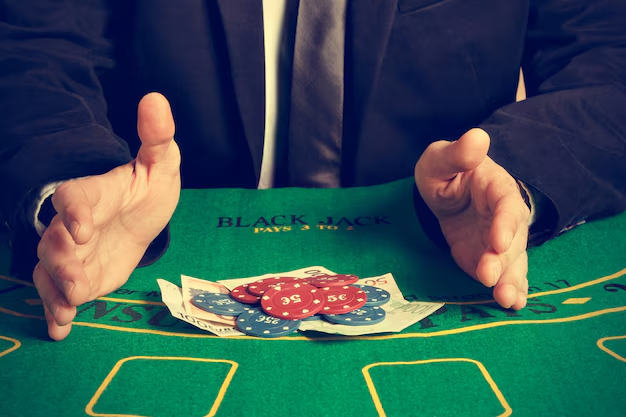
Confidently read your opponents and incorporate calculated risks into your play. Start with observing their reactions and betting patterns. Pay attention to how they respond to different situations–this insight is invaluable.
Mastering the art of poker bluffing requires a keen understanding of the game’s psychological dynamics. To enhance your strategy, first, focus on observing your opponents; their facial expressions and betting tendencies provide critical clues about their confidence levels. Creating a believable narrative during your bluffs is crucial; align your betting patterns with the community cards to maintain credibility. Consider employing goldenreels-pro.com for advice on bluffing techniques that will elevate your gameplay. Maintain a calm demeanor, use eye contact wisely, and adapt your style based on your table image and opponent behaviors. Practice and reflection are key to evolving as a successful bluffer.
Practice your timing by perfecting the balance between your strong and weak hands. Give your bluff a believable story. If you raise with a weak hand, ensure your betting aligns with the board cards. This consistency can make your bluff appear genuine.
Use body language wisely. Maintain steady eye contact and avoid fidgeting; this conveys confidence. Additionally, mix your playstyle to keep opponents guessing; if you bluff too often, they will catch on.
Integrate psychology by considering your opponents' mindsets. Are they overly cautious or aggressive? Tailor your strategies accordingly to exploit their tendencies. Engage their emotions, prompting them to fold at critical moments.
Analyze your past bluffs. Reflect on what worked and what didn't. Continually refine your approach based on experience and feedback. With each session, you’ll enhance your skill set in poker bluffing.
Understanding the Psychological Aspects of Bluffing
Recognize the importance of understanding your opponents' psychology. Pay attention to their behaviors, betting patterns, and emotional responses. This insight allows you to craft more convincing bluffs. Build trust over time; showing strength in earlier hands can create an image that makes your later bluffs more credible.
Employ the concept of "reverse tells." When you bluff, remain calm and composed. Your confidence generates doubt in your opponents. If you waver, they might sense your uncertainty. Maintain a steady demeanor to reinforce your story.
Practice reading emotions. Use body language and facial expressions as clues to gauge your opponents' reactions. A player who shifts in their seat or avoids eye contact may indicate weakness. Use this information strategically to decide when to bluff effectively.
Implement situational awareness. Consider the context of the game: the stakes, the players, and their tendencies. Higher stakes allow for bolder bluffs, while low-stakes games require more caution. Adapt your approach based on the dynamics of the table.
| Psychological Strategy | Description |
|---|---|
| Building Trust | Show strength in early hands to establish credibility. |
| Reverse Tells | Project confidence to create doubt in opponents. |
| Reading Emotions | Observe body language for insights into opponents' states. |
| Situational Awareness | Adjust bluffs based on the stakes and player tendencies. |
Analyze patterns over time. Regularly review hands to identify what works and what doesn't. Take mental notes of successful bluffs versus failures to refine your strategy continuously. This analysis sharpens your ability to bluff effectively.
Stay adaptable. The best bluffers change their tactics based on game flow and how opponents react. Flexibility allows you to stay one step ahead, turning psychological insights into effective gameplay.
Identifying the Right Moments to Bluff in a Game
Bluff when the board shows potential for strong hands, but your cards are weak. For instance, if the community cards include two hearts, you can represent a flush while holding none. This approach leverages the fear of a strong hand in opponents.
Target opponents who display weakness. If a player checks and folds frequently, they likely lack confidence. Seize that opportunity to bet and pressure them into folding, even when your hand isn't strong.
Bluff in late position more effectively. Players in early positions may have stronger hands, so acting later often gives you insight into opponents' strategies. If the players before you show weakness, capitalize on it with a well-timed bluff.
Consider your table image. If you’ve played aggressively, your bluffs may receive more credence. Establish a reputation for betting often, then occasionally bluff to catch opponents off guard.
Choose moments based on pot size. Bluff in smaller pots where opponents may be less committed. In larger pots, the risk of losing becomes significant; thus, players may call you more readily.
Watch for tells and habits. If you notice a player fidgeting or avoiding eye contact when they have a weak hand, those can be signals to bluff. React to their body language with confidence.
Timing is everything. Bluff after an opponent has invested heavily in a pot but has shown signs of uncertainty, such as hesitations or inconsistent betting patterns.
Using Body Language to Enhance Your Bluff
Maintain an open posture at the table. Avoid crossing your arms or legs, which can signal defensiveness. Instead, keep your body slightly turned toward your opponents to show confidence.
Control your facial expressions. Practice a neutral expression during key moments. Smiling can disarm opponents, but a serious tone paired with the right facial cues can assert dominance when bluffing.
Utilize eye contact. Look at your opponents when you bet or raise, as this conveys confidence. However, too much staring may come off as intimidating. Balance is key–glance away occasionally to appear genuine.
Watch your hands. Keep them still and relaxed. Fidgeting or tapping can indicate nervousness. Consider placing your hands on the table to project composure.
- Practice gestures. Subtle movements can emphasize confidence or enhance your storytelling during a bluff.
- Avoid excessive movements. Restrained body language often leads to a more believable bluff.
- Observe your opponents. Learn to recognize their body language signals and adjust your strategy accordingly.
Implement these techniques in practice games. Build your awareness of how your body language affects your bluffing. With time, you'll find a comfortable style that amplifies your strategy.
Practical Tips for Reading Opponents During Play
Watch for physical tells, including facial expressions and body language. A raised eyebrow or a sudden shift in posture can indicate confidence or uncertainty. Pay attention to how your opponent reacts when they’re strong compared to when they’re weak. Subtle shifts often reveal more than words.
Listen closely to the verbal cues. Notice if they speak with hesitation or confidence. A bluff might be accompanied by a shaky tone or rapid-fire chatter. Conversely, relaxed speech and composed responses often signal strength. Use these cues to gauge their confidence levels.
Observe betting patterns throughout the game. A sudden increase in a bet size may indicate a strong hand, while frequent small bets can suggest attempting to control the pot. Compare their current behavior with previous rounds to identify inconsistencies or repetition that might indicate a strategic shift.
Consider the table dynamics. Multitasking and monitoring the interactions between players provide valuable insight. If an opponent frequently engages with specific players, their strategies may adapt based on those relationships, which can guide your reactions.
Practice active observation. Rather than getting lost in your hand, allocate time to assess opponents. Create mental notes on specific behaviors or reactions during pivotal moments in the game, enhancing your understanding of their playing style over time.
Stay aware of overall game flow. Recognize when the mood shifts. If tension increases and players are more guarded, your opponents may be more focused on preserving their stacks, revealing their anxieties and potential weak spots.
Finally, balance your own behaviors. If your actions are overly predictable, opponents will quickly learn your tendencies. Keep them guessing by mixing up your own tells, making it harder for them to read you while you read them.
Analyzing Your Betting Patterns to Increase Success
Evaluate your previous betting behaviors regularly. Identify whether you tend to overbet with strong hands or underbet weaker ones. This awareness helps you adjust your strategy, making your betting less predictable.
Utilize tracking software or apps to record your betting history. This data reveals trends in your gameplay, such as the percentage of pots you see and your win rate. Analyzing this information can highlight patterns that require modification.
Consider the timing of your bets. Are you more aggressive early in the game but hesitant later? Shift your approach based on your opponent's reactions and adapt your strategy to maintain an element of surprise. This keeps your betting patterns varied.
Engage in self-reflection after each session. Document your feelings during different betting scenarios. Understanding your emotional triggers helps you make more rational decisions in future games.
Discuss your gameplay with a trusted friend or coach. Seeking external perspectives on your betting patterns can reveal blind spots. They might pinpoint habits that detract from your success that you haven't noticed.
Practice makes perfect. Use practice games to test out new strategies without financial risk. Experiment with different betting styles and be attentive to what works best in various situations.
Stay responsive to your opponents’ tendencies. If they consistently fold to aggression, modify your bets to exploit this behavior. Tailoring your strategy based on your opponents' actions creates opportunities for greater outcomes.
Consistently review and adjust your approach. The key to success lies in your ability to change and adapt. By analyzing your betting patterns, you pave the way for improved performance at the tables.
Common Mistakes to Avoid When Bluffing
Avoid bluffing too frequently. If you bluff on every hand, opponents will catch on quickly. Instead, choose your moments wisely and keep your bluffs infrequent to maintain an air of unpredictability.
Don't underestimate your opponents. Assess their playing styles and tendencies before deciding to bluff. If they are known for being overly cautious, your bluff may have a higher chance of success than against aggressive players who call you down regardless.
Pay attention to your table image. If you've been playing tightly, a bold bluff can be more convincing. However, if you've been overly aggressive, opponents may be less inclined to fold. Tailor your bluffs based on how others perceive your playing style.
Be wary of excessive tells. Keeping a neutral demeanor during a bluff is crucial. Excessive fidgeting or avoiding eye contact can give your intentions away. Practice maintaining your composure to avoid inadvertently revealing your bluff.
Don't bluff at the wrong stakes. Bluffing can backfire if you're facing high-stakes players who are less likely to fold. Choose your battles wisely and adapt your strategy according to the stakes in play.
Lastly, avoid half-hearted bluffs. If you decide to bluff, commit to it fully. A weak bet may invite more scrutiny and ultimately lead to being called. Ensure your bet size reflects the strength of your hand and the likelihood of your success.